

What is the temperature rating of a flange?
Jul 15, 2025
Leave a message
When it comes to the world of industrial piping systems, flanges play a crucial role. As a flange supplier, I often get asked about various aspects of flanges, and one question that frequently pops up is, "What is the temperature rating of a flange?" In this blog post, I'll delve into this topic, providing you with a comprehensive understanding of flange temperature ratings.
Understanding Flange Temperature Ratings
Flange temperature ratings are essentially the maximum and minimum temperatures at which a flange can safely operate. These ratings are determined by a variety of factors, including the material of the flange, the design of the flange, and the pressure it is expected to withstand. It's important to note that these ratings are not arbitrary; they are based on extensive testing and industry standards.
The temperature rating of a flange is crucial because it directly impacts the safety and performance of the piping system. If a flange is exposed to temperatures outside its rated range, it can lead to a variety of issues, such as leaks, cracks, and even catastrophic failures. Therefore, it's essential to select the right flange with an appropriate temperature rating for your specific application.
Factors Affecting Flange Temperature Ratings
Material
The material of the flange is one of the most significant factors affecting its temperature rating. Different materials have different thermal properties, which determine how they respond to changes in temperature. For example, carbon steel flanges are commonly used in many industrial applications due to their strength and affordability. However, their temperature rating is typically lower compared to stainless steel flanges. Stainless steel has better corrosion resistance and can withstand higher temperatures, making it suitable for applications where high temperatures are involved.
Carbon steel flanges, such as the Carbon Steel ASME B16.5 Flange, are often used in general-purpose applications where the temperature is not extremely high. These flanges can typically handle temperatures ranging from -20°F to 800°F, depending on the specific grade of carbon steel.
On the other hand, stainless steel flanges are more resistant to heat and corrosion. They can handle higher temperatures, often up to 1,500°F or more, depending on the grade of stainless steel. This makes them ideal for applications in industries such as chemical processing, power generation, and food and beverage, where high temperatures and corrosive environments are common.
Design
The design of the flange also plays a role in its temperature rating. Flanges come in various designs, such as weld neck flanges, slip-on flanges, and blind flanges. Each design has its own unique characteristics and is suitable for different applications.

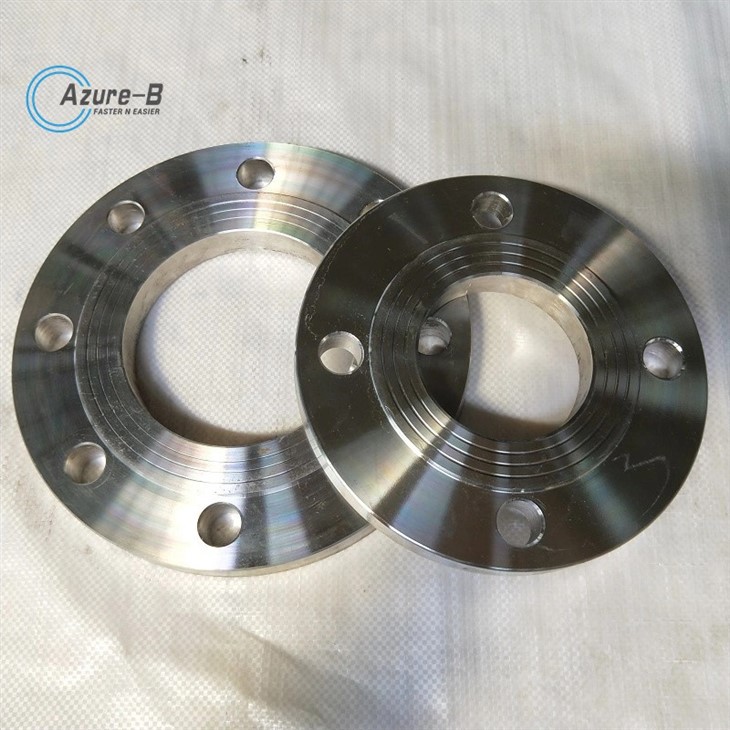
Weld neck flanges, for example, are known for their high strength and durability. They are designed to be welded directly to the pipe, providing a strong and reliable connection. This design allows them to withstand higher pressures and temperatures compared to other types of flanges. Weld neck flanges are commonly used in high-pressure and high-temperature applications, such as in oil and gas pipelines.
Slip-on flanges, on the other hand, are easier to install but may not be as strong as weld neck flanges. They are typically used in low-pressure and low-temperature applications. Blind flanges are used to seal the end of a pipe and are also available in different temperature ratings depending on their design and material.
Pressure
The pressure that a flange is expected to withstand is another important factor affecting its temperature rating. As the pressure increases, the temperature rating of the flange may decrease. This is because higher pressures can put more stress on the flange, and at higher temperatures, the material may become more susceptible to deformation and failure.
For example, a Flange ASME B16.5 Class 150 is designed to handle a certain pressure at a specific temperature. If the pressure is increased, the maximum temperature that the flange can safely operate at may need to be reduced to ensure its integrity.
Industry Standards for Flange Temperature Ratings
There are several industry standards that govern the temperature ratings of flanges. One of the most widely recognized standards is the ASME B16.5 standard. This standard provides guidelines for the design, materials, dimensions, and pressure-temperature ratings of pipe flanges and flanged fittings.
The ASME B16.5 standard specifies the temperature ratings for different classes of flanges. For example, Class 150 flanges have different temperature ratings compared to Class 300 or Class 600 flanges. These ratings are based on extensive testing and are designed to ensure the safe and reliable operation of flanges in various industrial applications.
Another important standard is the ANSI standard. The Flange ANSI ASME B16.5 is also widely used in the industry. ANSI standards are similar to ASME standards and provide guidelines for the design and performance of flanges.
Selecting the Right Flange Temperature Rating
When selecting a flange for your application, it's important to consider the temperature conditions of your piping system. Here are some steps to help you choose the right flange temperature rating:
- Determine the operating temperature: First, you need to determine the maximum and minimum temperatures that the flange will be exposed to in your application. This may involve considering factors such as the type of fluid or gas being transported, the process conditions, and any external heat sources.
- Consider the material: Based on the operating temperature, choose a flange material that can withstand those temperatures. As mentioned earlier, carbon steel is suitable for lower temperature applications, while stainless steel is better for higher temperature applications.
- Check the pressure requirements: Remember that the pressure also affects the temperature rating of the flange. Make sure to select a flange that can handle the pressure and temperature conditions simultaneously.
- Refer to industry standards: Consult the relevant industry standards, such as ASME B16.5 or ANSI, to ensure that the flange you choose meets the required temperature ratings.
Importance of Correct Flange Temperature Rating
Using a flange with the correct temperature rating is crucial for the safety and efficiency of your piping system. Here are some reasons why:
Safety
A flange that is operating outside its temperature rating can pose a significant safety risk. High temperatures can cause the flange material to weaken, leading to leaks or even failures. These leaks can result in the release of hazardous substances, such as chemicals or gases, which can be dangerous to personnel and the environment.
Performance
A flange with the correct temperature rating will perform better and last longer. It will be able to maintain its integrity and provide a reliable connection between pipes, ensuring the smooth operation of the piping system. On the other hand, a flange that is exposed to temperatures outside its rated range may experience premature wear and tear, leading to frequent maintenance and replacement.
Cost Savings
By selecting the right flange with an appropriate temperature rating, you can avoid costly repairs and replacements. A flange that is operating within its temperature rating will have a longer service life, reducing the need for frequent maintenance and downtime. This can result in significant cost savings in the long run.
Conclusion
In conclusion, the temperature rating of a flange is a critical factor that should not be overlooked when designing and installing a piping system. It is determined by various factors, including the material, design, and pressure requirements of the flange. By understanding these factors and referring to industry standards, you can select the right flange with an appropriate temperature rating for your specific application.
As a flange supplier, I am committed to providing high-quality flanges that meet the required temperature ratings. If you have any questions or need assistance in selecting the right flange for your project, please don't hesitate to contact me. I'm here to help you ensure the safety and efficiency of your piping system.
References
- ASME B16.5 Standard for Pipe Flanges and Flanged Fittings
- ANSI Standards for Flanges