

What is the weight of Flange ANSI ASME B16.5 for different sizes?
Oct 29, 2025
Leave a message
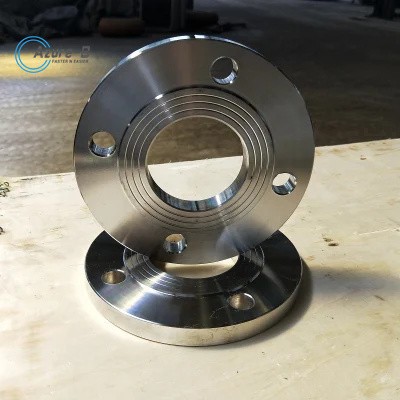
When it comes to industrial piping systems, flanges play a crucial role in connecting pipes, valves, pumps, and other equipment. Among the various flange standards available, the ANSI ASME B16.5 standard is widely recognized and used across the globe. As a supplier of Flange ANSI ASME B16.5, I often receive inquiries about the weight of these flanges for different sizes. In this blog post, I will delve into the factors that influence the weight of ANSI ASME B16.5 flanges and provide a detailed overview of the weight variations across different sizes.
Understanding ANSI ASME B16.5 Flanges
The ANSI ASME B16.5 standard covers pipe flanges and flanged fittings made from forged or cast materials. It specifies the dimensions, pressure - temperature ratings, materials, and testing requirements for flanges ranging from NPS 1/2 to NPS 24. These flanges are commonly used in a variety of industries, including oil and gas, chemical, power generation, and water treatment.
The weight of a flange is a critical parameter as it affects the overall weight of the piping system, transportation costs, and installation requirements. Several factors contribute to the weight of an ANSI ASME B16.5 flange, including the size, class, type, and material.
Factors Affecting the Weight of ANSI ASME B16.5 Flanges
Size
The size of a flange, typically measured by the nominal pipe size (NPS), has a significant impact on its weight. As the NPS increases, the outer diameter, thickness, and bolt circle diameter of the flange also increase, resulting in a heavier flange. For example, a NPS 1 flange will be much lighter than a NPS 24 flange.
Class
The class of a flange indicates its pressure - temperature rating. Higher - class flanges are designed to withstand greater pressures and temperatures, which usually means they are thicker and heavier. Flanges are available in various classes, such as Class 150, Class 300, Class 600, and so on. A ASME B16.5 Class 600 Blind Flange will generally be heavier than a Class 150 flange of the same size because it needs to be more robust to handle the higher pressures.
Type
There are several types of ANSI ASME B16.5 flanges, including weld - neck, slip - on, blind, threaded, and socket - weld flanges. Each type has a different design and weight. For instance, weld - neck flanges are typically heavier than slip - on flanges of the same size because they have a long tapered hub that provides additional strength and reinforcement.
Material
The material used to manufacture the flange also affects its weight. Common materials for ANSI ASME B16.5 flanges include carbon steel, stainless steel, alloy steel, and duplex steel. Different materials have different densities, so a flange made of stainless steel will have a different weight compared to a carbon - steel flange of the same size, class, and type.
Weight Variations for Different Sizes
Let's take a closer look at the weight variations for different sizes of ANSI ASME B16.5 flanges. For simplicity, we will focus on carbon - steel flanges in Class 150 and Class 600.
Class 150 Flanges
- NPS 1: A Class 150 carbon - steel weld - neck flange of NPS 1 typically weighs around 1.5 kg. The relatively small size and lower pressure rating result in a light - weight flange.
- NPS 6: As the size increases to NPS 6, the weight of a Class 150 carbon - steel weld - neck flange jumps to approximately 15 kg. The larger outer diameter, thickness, and bolt circle diameter contribute to the increased weight.
- NPS 12: A Class 150 carbon - steel weld - neck flange of NPS 12 can weigh around 50 kg. The significant increase in size leads to a substantial increase in weight.
Class 600 Flanges
- NPS 1: A Class 600 carbon - steel weld - neck flange of NPS 1 weighs about 2.5 kg. The higher pressure rating requires a thicker flange, resulting in a greater weight compared to the Class 150 flange of the same size.
- NPS 6: For a NPS 6 Class 600 carbon - steel weld - neck flange, the weight can reach approximately 30 kg. The combination of larger size and higher pressure rating makes this flange significantly heavier than its Class 150 counterpart.
- NPS 12: A NPS 12 Class 600 carbon - steel weld - neck flange can weigh over 100 kg. The need to withstand high pressures at a large size results in a very heavy flange.
It's important to note that these are approximate weights, and the actual weight may vary depending on the specific manufacturer and manufacturing processes.

Importance of Knowing the Flange Weight
Knowing the weight of ANSI ASME B16.5 flanges is essential for several reasons:
Transportation
The weight of the flanges affects the shipping costs. Heavier flanges require more robust packaging and may incur higher freight charges. By accurately estimating the weight, companies can better plan their transportation logistics and budget accordingly.
Installation
The weight of the flanges also impacts the installation process. Heavier flanges may require more lifting equipment and manpower for installation. This can affect the overall installation time and cost.
Structural Design
In a piping system, the weight of the flanges contributes to the overall load on the supporting structures. Engineers need to consider the flange weights when designing the support systems to ensure the structural integrity of the entire piping network.
As a Supplier
As a supplier of ASME B16.5 Flange, I understand the importance of providing accurate weight information to our customers. We have a comprehensive database that contains the weight details of all our ANSI ASME B16.5 flanges, including different sizes, classes, types, and materials. Our team of experts can also assist customers in selecting the right flanges based on their specific requirements, taking into account factors such as weight, pressure rating, and corrosion resistance.
If you are in the market for high - quality ANSI ASME B16.5 flanges, we offer a wide range of products, including ASME B16.5 Class 150 Forged Flanges. Our flanges are manufactured to the highest standards, ensuring reliability and performance in your industrial applications.
We encourage you to reach out to us for any inquiries regarding our flange products. Whether you need detailed weight information, product specifications, or pricing, our dedicated sales team is ready to assist you. Contact us today to start a discussion about your flange procurement needs and let us help you find the best solutions for your projects.
References
- ANSI ASME B16.5 Standard - Pipe Flanges and Flanged Fittings
- Industrial Piping Handbook