

What is the elongation rate of carbon steel bends?
Jun 25, 2025
Leave a message
The elongation rate of carbon steel bends is a crucial mechanical property that significantly influences their performance and application in various industries. As a trusted supplier of carbon steel bends, I understand the importance of this characteristic and its implications for our customers. In this blog, we will delve into the concept of the elongation rate of carbon steel bends, its significance, factors affecting it, and how it relates to the quality and usability of our products.
Understanding Elongation Rate
Elongation rate, also known as elongation at break, is a measure of the ability of a material to deform plastically before fracturing. It is expressed as a percentage and represents the increase in length of a specimen after it has been subjected to tensile stress until it breaks. In the context of carbon steel bends, the elongation rate indicates how much the material can stretch and bend without cracking or failing.
To determine the elongation rate of carbon steel bends, a standard test specimen is prepared according to relevant standards such as ASTM A370. The specimen is then placed in a tensile testing machine, where a gradually increasing load is applied until the specimen breaks. The initial and final lengths of the specimen are measured, and the elongation rate is calculated using the following formula:
Elongation Rate (%) = [(Final Length - Initial Length) / Initial Length] x 100
Significance of Elongation Rate in Carbon Steel Bends
The elongation rate is a critical parameter for carbon steel bends for several reasons:
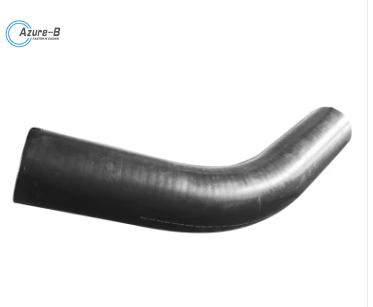

- Formability: A high elongation rate indicates that the carbon steel bend can be easily formed into the desired shape without cracking or splitting. This is particularly important in applications where complex bends and shapes are required, such as in piping systems, automotive components, and structural frameworks.
- Ductility: Ductility is the ability of a material to deform plastically under tensile stress. A carbon steel bend with a high elongation rate is more ductile, which means it can absorb energy and withstand sudden loads or impacts without fracturing. This property is essential in applications where the bends are subjected to dynamic or cyclic loading, such as in bridges, machinery, and offshore structures.
- Weldability: The elongation rate also affects the weldability of carbon steel bends. A material with good elongation properties is more likely to produce sound welds with minimal cracking or porosity. This is crucial in applications where welding is used to join the bends to other components, such as in pipeline construction and fabrication.
- Quality Assurance: The elongation rate is an important quality control parameter for carbon steel bends. By ensuring that the bends meet the specified elongation requirements, we can guarantee their performance and reliability in service. This helps to minimize the risk of failures and downtime, which can result in significant costs and safety hazards.
Factors Affecting the Elongation Rate of Carbon Steel Bends
The elongation rate of carbon steel bends is influenced by several factors, including:
- Chemical Composition: The chemical composition of the carbon steel plays a significant role in determining its elongation rate. Elements such as carbon, manganese, silicon, and sulfur can affect the strength, ductility, and formability of the material. Generally, a lower carbon content and a balanced alloy composition result in higher elongation rates.
- Heat Treatment: Heat treatment processes such as annealing, normalizing, and quenching can significantly affect the microstructure and mechanical properties of carbon steel bends. Annealing, for example, can improve the ductility and formability of the material by reducing its hardness and internal stresses. On the other hand, quenching can increase the strength and hardness of the material but may also reduce its elongation rate.
- Manufacturing Process: The manufacturing process used to produce the carbon steel bends can also affect their elongation rate. Processes such as hot bending, cold bending, and induction bending can introduce different levels of stress and strain into the material, which can impact its mechanical properties. For example, hot bending can result in a more uniform microstructure and better elongation properties compared to cold bending.
- Testing Conditions: The testing conditions, such as the temperature, strain rate, and specimen geometry, can also influence the measured elongation rate of carbon steel bends. It is important to follow the relevant standards and procedures when conducting the tensile tests to ensure accurate and reproducible results.
Our Commitment to Quality
As a leading supplier of carbon steel bends, we are committed to providing our customers with high-quality products that meet or exceed their expectations. We understand the importance of the elongation rate and other mechanical properties in ensuring the performance and reliability of our bends. To this end, we implement strict quality control measures throughout the manufacturing process, from raw material selection to final inspection.
We source our carbon steel from reputable suppliers and conduct thorough inspections to ensure that it meets the required chemical and mechanical specifications. Our manufacturing processes are carefully controlled to minimize the introduction of defects and ensure consistent quality. We use advanced equipment and techniques, such as High Quality Welded Pipe Bend, 5D Bend, and Induction Pipe Bends, to produce bends with excellent elongation properties and other mechanical characteristics.
In addition, we conduct regular tensile tests and other mechanical tests on our products to verify their compliance with the relevant standards and customer requirements. Our quality control team is trained to identify and address any issues that may arise during the manufacturing process, ensuring that only the highest quality bends are delivered to our customers.
Contact Us for Your Carbon Steel Bend Needs
If you are in need of high-quality carbon steel bends with excellent elongation properties, look no further. We offer a wide range of carbon steel bends in various sizes, shapes, and specifications to meet the diverse needs of our customers. Our experienced team of engineers and technicians can provide you with expert advice and support to help you select the right bends for your application.
Whether you are working on a small-scale project or a large industrial installation, we have the expertise and resources to deliver the solutions you need. Contact us today to discuss your requirements and let us help you find the perfect carbon steel bends for your project. We look forward to partnering with you and providing you with the highest level of service and quality.
References
- ASTM A370: Standard Test Methods and Definitions for Mechanical Testing of Steel Products
- ASME B16.9: Factory-Made Wrought Steel Buttwelding Fittings
- API 5L: Specification for Line Pipe
This blog provides a comprehensive overview of the elongation rate of carbon steel bends, its significance, factors affecting it, and our commitment to quality. By understanding the importance of this property, you can make informed decisions when selecting carbon steel bends for your applications. If you have any further questions or need more information, please do not hesitate to contact us.