

Can carbon steel bends be used in water treatment plants?
Oct 27, 2025
Leave a message
Can carbon steel bends be used in water treatment plants? This is a question that often arises in the industry. As a supplier of carbon steel bends, I am well - versed in the properties of these products and their potential applications in water treatment facilities. In this blog, I will explore the viability of using carbon steel bends in water treatment plants from multiple aspects.
Properties of Carbon Steel Bends
Carbon steel is an alloy composed mainly of iron and carbon, with small amounts of other elements. Carbon steel bends are made by shaping carbon steel pipes into curved forms. One of the key advantages of carbon steel is its high strength. It can withstand high pressure and mechanical stress, which is crucial in water treatment plants where water is often pumped at high pressures through the piping systems.
The hardness of carbon steel also contributes to its durability. It can resist abrasion from the flow of water, especially if the water contains suspended particles. This is important in water treatment processes where water may carry sediment or other solid materials during different stages of treatment.
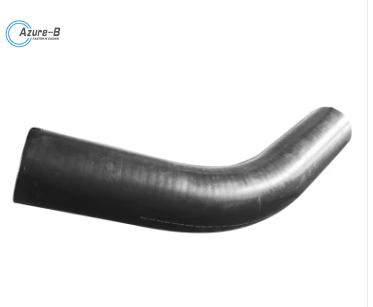

Carbon steel bends are also relatively easy to manufacture. They can be produced in various sizes and bend radii to meet the specific requirements of different water treatment plant designs. For example, 5D Bend offers a specific bend radius option that can be tailored to the layout of the plant's piping network.
Compatibility with Water Treatment Processes
In water treatment plants, different processes are involved, such as filtration, disinfection, and chemical treatment. Carbon steel bends can generally be compatible with these processes, but some considerations need to be taken into account.
Filtration
During the filtration process, water passes through various filters to remove suspended solids. Carbon steel bends can withstand the pressure drop across the filters without significant deformation. However, it is important to ensure that the inner surface of the carbon steel bends is smooth to prevent the accumulation of particles, which could lead to blockages over time.
Disinfection
Common disinfection methods in water treatment include the use of chlorine, ozone, or ultraviolet light. Chlorine is a strong oxidizing agent, and over time, it can cause corrosion of carbon steel. However, if proper corrosion - prevention measures are taken, such as applying a protective coating, carbon steel bends can still be used. High Quality Welded Pipe Bend can be manufactured with a high - quality weld that can be better protected against the effects of disinfection agents.
Chemical Treatment
Water treatment often involves the addition of chemicals such as coagulants, flocculants, and pH adjusters. The compatibility of carbon steel bends with these chemicals depends on the specific type and concentration of the chemicals. Some chemicals may be corrosive to carbon steel, while others may have no significant effect. For example, acidic or alkaline chemicals at high concentrations can accelerate corrosion. In such cases, a detailed chemical compatibility analysis should be conducted before using carbon steel bends.
Cost - effectiveness
Cost is an important factor in any water treatment plant project. Carbon steel bends are generally more cost - effective compared to some other materials, such as stainless steel or copper. The raw material cost of carbon steel is relatively low, and the manufacturing process is also less expensive. This makes carbon steel bends an attractive option for large - scale water treatment plants where a large number of bends are required.
In addition, the installation cost of carbon steel bends is relatively low. They can be easily welded or connected to other pipes, reducing the labor cost and installation time. However, it is important to balance the initial cost savings with the long - term maintenance cost. As mentioned earlier, corrosion can be a concern, and regular maintenance and corrosion prevention measures may be required to ensure the long - term performance of carbon steel bends.
Installation and Maintenance
The installation of carbon steel bends in water treatment plants requires proper techniques. Welding is a common method for joining carbon steel bends to pipes. It is essential to ensure that the welding is of high quality to prevent leaks and structural failures. Professional welders should be employed, and proper welding procedures should be followed.
Maintenance of carbon steel bends mainly focuses on corrosion prevention. Regular inspections should be carried out to check for signs of corrosion, such as rust or pitting. If corrosion is detected, appropriate measures should be taken immediately, such as applying a new protective coating or replacing the corroded parts. Hot Induction Pipe Bends can have a more uniform structure, which may require less maintenance in some cases.
Case Studies
There are many water treatment plants around the world that have successfully used carbon steel bends. For example, a medium - sized water treatment plant in a rural area used carbon steel bends in its primary filtration and distribution systems. After several years of operation, with proper corrosion prevention measures in place, the carbon steel bends have shown good performance and have not required major replacements.
Another case is a large - scale industrial water treatment plant. The plant initially considered using stainless steel bends but switched to carbon steel bends due to cost constraints. By implementing a comprehensive corrosion prevention program, including regular coating inspections and chemical treatment of the water to control its corrosivity, the carbon steel bends have been able to operate effectively in the plant's complex water treatment processes.
Conclusion
In conclusion, carbon steel bends can be used in water treatment plants, but careful consideration of their properties, compatibility with water treatment processes, cost - effectiveness, installation, and maintenance is necessary. With proper design, installation, and maintenance, carbon steel bends can provide a reliable and cost - effective solution for water treatment plant piping systems.
If you are involved in a water treatment plant project and are considering using carbon steel bends, I encourage you to contact me for more information. I can provide detailed product specifications, technical support, and guidance on the proper use of carbon steel bends in your specific application. Let's discuss how our carbon steel bends can meet your water treatment plant needs and contribute to the efficient operation of your facility.
References
- ASM Handbook, Volume 13A: Corrosion: Fundamentals, Testing, and Protection. ASM International.
- Water Treatment Plant Design, McGraw - Hill Professional.
- Pipe Fabrication and Installation Handbook, Gulf Publishing Company.