

Can Flange ANSI ASME B16.5 be used in offshore applications?
Oct 27, 2025
Leave a message
Hey there! I'm a supplier of Flange ANSI ASME B16.5, and I often get asked if these flanges can be used in offshore applications. Well, let's dig into this topic and find out.
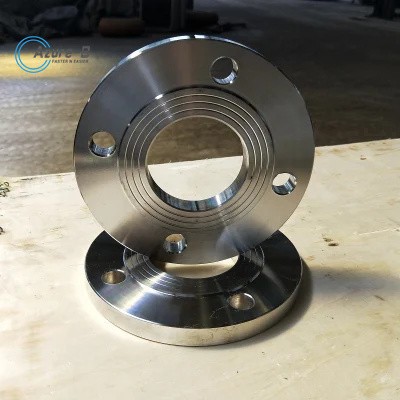
First off, let's understand what Flange ANSI ASME B16.5 is all about. This standard covers steel pipe flanges and flanged fittings in sizes NPS 1/2 through NPS 24, with pressure ratings from Class 150 to Class 2500. It's a well - established standard in the industry, known for its quality and reliability.
Now, offshore applications are a whole different ballgame. The environment out there is harsh. You've got saltwater corrosion, high winds, and extreme temperature variations. So, can our trusty Flange ANSI ASME B16.5 hold up?
Material Considerations
One of the key factors in offshore applications is the material of the flanges. Most Flange ANSI ASME B16.5 flanges are made from carbon steel, stainless steel, or alloy steel. Carbon steel is cost - effective, but it's prone to corrosion in a saltwater environment. That's where stainless steel comes in handy. Stainless steel flanges, like those in Flange ASME B16.5 Class 150, offer excellent corrosion resistance, making them a great choice for offshore use. They can withstand the constant exposure to saltwater without rusting or deteriorating quickly.
Alloy steel flanges are also an option. They have enhanced strength and can handle high - pressure situations, which are common in offshore oil and gas operations. However, they can be more expensive than carbon steel.
Pressure and Temperature Ratings
Offshore applications often involve high - pressure and high - temperature processes. The pressure ratings of Flange ANSI ASME B16.5 range from Class 150 to Class 2500. For most offshore operations, higher - class flanges are required. For example, ASME B16.5 Class 600 Blind Flange can handle much higher pressures compared to lower - class flanges.
Temperature is another crucial factor. The standard flanges are designed to work within a certain temperature range. In offshore areas, where the temperature can vary from extremely cold to very hot, it's important to choose flanges that can handle these temperature fluctuations. Some special coatings or heat - treating processes can be applied to the flanges to improve their temperature resistance.
Installation and Maintenance
Installing flanges in an offshore environment is not a walk in the park. The conditions are tough, and proper installation is essential to ensure the integrity of the piping system. Flange ANSI ASME B16.5 flanges are designed with specific bolt hole patterns and dimensions, which need to be followed precisely during installation.
Maintenance is also a big deal. Regular inspections are necessary to check for any signs of corrosion, leakage, or damage. In an offshore setting, it can be challenging to access the flanges for maintenance. However, with the right design and installation, the maintenance requirements can be minimized.
Regulatory Compliance
Offshore operations are highly regulated. There are strict rules and standards set by various organizations, such as the American Petroleum Institute (API) and the International Maritime Organization (IMO). Flange ANSI ASME B16.5 flanges need to comply with these regulations to be used in offshore applications. Most of the flanges that meet the ASME B16.5 standard can also be modified or certified to meet the additional offshore - specific requirements.

Cost - Benefit Analysis
When considering using Flange ANSI ASME B16.5 in offshore applications, cost is always a factor. Stainless steel and alloy steel flanges are more expensive than carbon steel ones. However, when you factor in the long - term costs of maintenance, replacement, and downtime due to corrosion or failure, the more expensive flanges can actually be a better investment.
For example, if you use carbon steel flanges in an offshore environment, you may have to replace them more frequently due to corrosion. This not only costs money but also causes disruptions to the operations. On the other hand, stainless steel flanges may have a higher upfront cost, but they can last much longer, reducing the overall cost in the long run.
Case Studies
Let's take a look at some real - world examples. There have been many offshore projects where Flange ANSI ASME B16.5 flanges have been used successfully. In one oil rig project, ASME B16.5 Class 150 Forged Flanges were used in the low - pressure sections of the piping system. These flanges were made of stainless steel, which provided excellent corrosion resistance. After several years of operation, the flanges showed minimal signs of wear and tear, and the system remained leak - free.
In another case, a gas production platform used high - class flanges to handle the high - pressure gas flow. The flanges were designed to meet the strict API standards and were regularly inspected and maintained. This ensured the safe and efficient operation of the platform.
Conclusion
So, can Flange ANSI ASME B16.5 be used in offshore applications? The answer is yes, but with some considerations. By choosing the right material, pressure rating, and ensuring proper installation and maintenance, these flanges can perform well in the harsh offshore environment.
If you're involved in an offshore project and are looking for high - quality Flange ANSI ASME B16.5 flanges, I'm here to help. Whether you need Flange ASME B16.5 Class 150, ASME B16.5 Class 600 Blind Flange, or ASME B16.5 Class 150 Forged Flanges, I can provide you with the best products that meet your specific requirements. Reach out to me for a quote and let's start a great partnership for your offshore project.
References
- American Society of Mechanical Engineers (ASME). B16.5 - 2020, Pipe Flanges and Flanged Fittings.
- American Petroleum Institute (API). Various standards related to offshore equipment and operations.
- International Maritime Organization (IMO). Regulations for offshore safety and environmental protection.