

What materials are commonly used to make Buttweld Equal Tees?
Oct 28, 2025
Leave a message
Hey there! I'm a supplier of Buttweld Equal Tees, and today I wanna chat about the materials commonly used to make these nifty fittings.
Carbon Steel
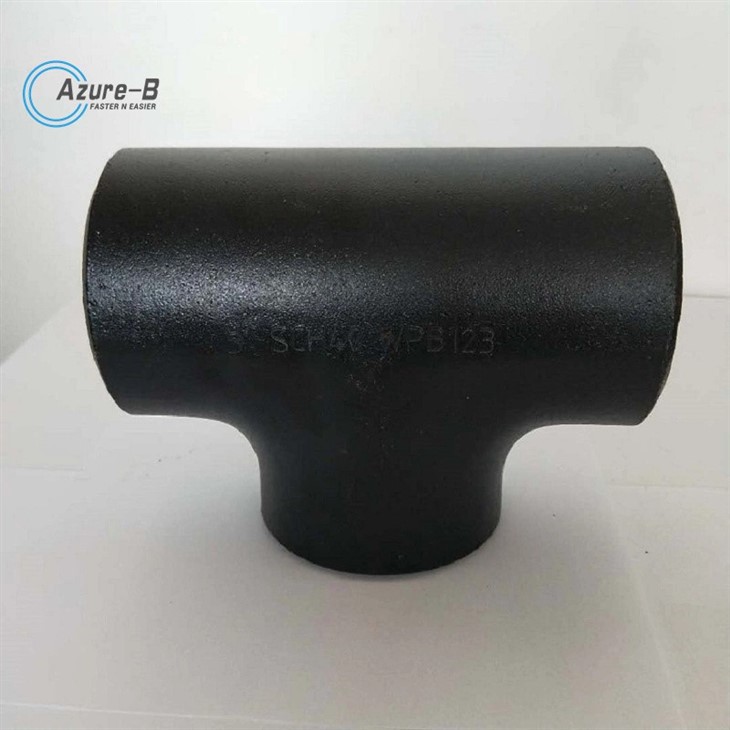
Carbon steel is hands - down one of the most widely used materials for Buttweld Equal Tees. Why? Well, it's got some pretty amazing properties. First off, it's strong as hell. Carbon steel can handle high pressures and temperatures without breaking a sweat. This makes it perfect for all sorts of industrial applications, like in oil and gas pipelines, power plants, and chemical processing facilities.
There are different grades of carbon steel, too. For example, ASTM A106 is a popular grade. It's known for its good weldability and high - strength characteristics. When we make Buttweld Equal Tees out of ASTM A106 carbon steel, we can ensure that they'll stand up to the tough conditions in the field.
Another great thing about carbon steel is its affordability. Compared to some other materials, it's relatively cheap, which is a huge plus for large - scale projects. You can get a whole bunch of Buttweld Equal Tees made from carbon steel without breaking the bank.

Stainless Steel
Stainless steel is another top - notch material for Buttweld Equal Tees. One of its biggest selling points is its corrosion resistance. In environments where there's a lot of moisture, chemicals, or salt, stainless steel Buttweld Equal Tees won't rust or corrode easily. This makes them ideal for use in marine applications, food and beverage processing, and pharmaceutical industries.
The most common grades of stainless steel used for these tees are 304 and 316. Grade 304 is a general - purpose stainless steel that offers good corrosion resistance and is easy to fabricate. Grade 316, on the other hand, has a higher level of molybdenum, which gives it even better resistance to pitting and crevice corrosion. So, if you're working in a really harsh environment, 316 might be the way to go.
Stainless steel also looks pretty good. It has a shiny, clean appearance, which is important in some applications where aesthetics matter. And it's relatively easy to clean and maintain, which is a bonus.
Alloy Steel
Alloy steel is a bit more specialized but still widely used for Buttweld Equal Tees. Alloy steel is made by adding other elements, like chromium, nickel, or molybdenum, to carbon steel. This gives it enhanced properties, such as increased strength, better heat resistance, and improved corrosion resistance.
For example, ASTM A335 is a common grade of alloy steel used for high - temperature applications. It can withstand extreme heat without losing its strength, making it suitable for use in power plants and refineries. Alloy steel Buttweld Equal Tees are also used in the aerospace industry, where lightweight yet strong materials are required.
However, alloy steel is usually more expensive than carbon steel. But the extra cost is often worth it when you need those enhanced properties for a specific application.
Duplex Stainless Steel
Duplex stainless steel is a relatively new kid on the block but is gaining popularity for making Buttweld Equal Tees. It has a unique microstructure that combines the best of both austenitic and ferritic stainless steels. This gives it high strength and excellent corrosion resistance, especially in chloride - rich environments.
Duplex stainless steel Buttweld Equal Tees are often used in offshore oil and gas platforms, desalination plants, and chemical processing plants. They can handle the high pressures and corrosive conditions in these environments better than many other materials.
Nickel Alloys
Nickel alloys are used in very specific and demanding applications. They have excellent corrosion resistance, high - temperature strength, and good ductility. For example, Inconel 625 is a well - known nickel alloy. It's used in applications where there's a need for resistance to both high temperatures and corrosive chemicals, such as in the chemical and petrochemical industries.
Nickel alloy Buttweld Equal Tees are expensive, but they're the go - to choice when you're dealing with extremely harsh conditions that other materials can't handle.
Selecting the Right Material
When it comes to choosing the right material for Buttweld Equal Tees, there are a few factors to consider. First, think about the environment where the tees will be used. If it's a corrosive environment, stainless steel, duplex stainless steel, or nickel alloys might be the best options. If it's a high - temperature environment, alloy steel or nickel alloys could be more suitable.
Cost is also a big factor. You need to balance the performance requirements with your budget. Carbon steel is usually the most cost - effective option, but if you need those extra properties, you might have to shell out a bit more for other materials.
Another thing to consider is the availability of the material. Some materials might be harder to source, which could lead to longer lead times for your project.
As a Buttweld Equal Tee supplier, I can help you make the right choice based on your specific needs. Whether you're looking for a Butt Weld Reducing Tee, a Buttweld Straight Tee, or an ASME B16.9 Unequal Tee, I've got you covered.
If you're in the market for Buttweld Equal Tees or have any questions about the materials, don't hesitate to reach out. I'm here to assist you in getting the best - fitting products for your project. Let's have a chat and figure out the perfect solution together.
References
- ASME B16.9 Standard for Factory - Made Wrought Buttwelding Fittings
- ASTM Standards for Steel, Stainless Steel, and Alloy Steel
- Material Science and Engineering textbooks on metal alloys and their properties