

What is the role of buttweld pipe reducers in pipeline expansion and contraction?
Jun 23, 2025
Leave a message
In the intricate world of pipeline systems, the seamless operation and longevity of the infrastructure are paramount. One often overlooked yet crucial component that plays a vital role in ensuring the stability and efficiency of pipelines is the buttweld pipe reducer. As a leading supplier of Buttweld Pipe Reducers, I have witnessed firsthand the significance of these components in addressing the challenges posed by pipeline expansion and contraction.
Understanding Pipeline Expansion and Contraction
Before delving into the role of buttweld pipe reducers, it is essential to understand the phenomena of pipeline expansion and contraction. Pipelines are subject to various environmental factors, including temperature fluctuations, pressure changes, and mechanical stress. These factors can cause the pipeline to expand or contract, leading to potential issues such as leaks, cracks, and structural damage.
Temperature is one of the primary drivers of pipeline expansion and contraction. As the temperature rises, the pipeline material expands, increasing its length and diameter. Conversely, as the temperature drops, the pipeline contracts, reducing its dimensions. This thermal expansion and contraction can exert significant stress on the pipeline, especially at joints and connections.
Pressure changes within the pipeline can also contribute to expansion and contraction. When the pressure inside the pipeline increases, the walls of the pipe are subjected to greater stress, causing them to expand. Conversely, a decrease in pressure can lead to contraction. These pressure-induced changes can occur due to factors such as fluid flow variations, valve operations, or system malfunctions.
Mechanical stress, such as vibration, bending, or torsion, can also affect the pipeline's dimensions. For example, pipelines installed in areas prone to seismic activity or heavy machinery vibrations may experience significant mechanical stress, leading to expansion and contraction.
The Role of Buttweld Pipe Reducers in Pipeline Expansion and Contraction
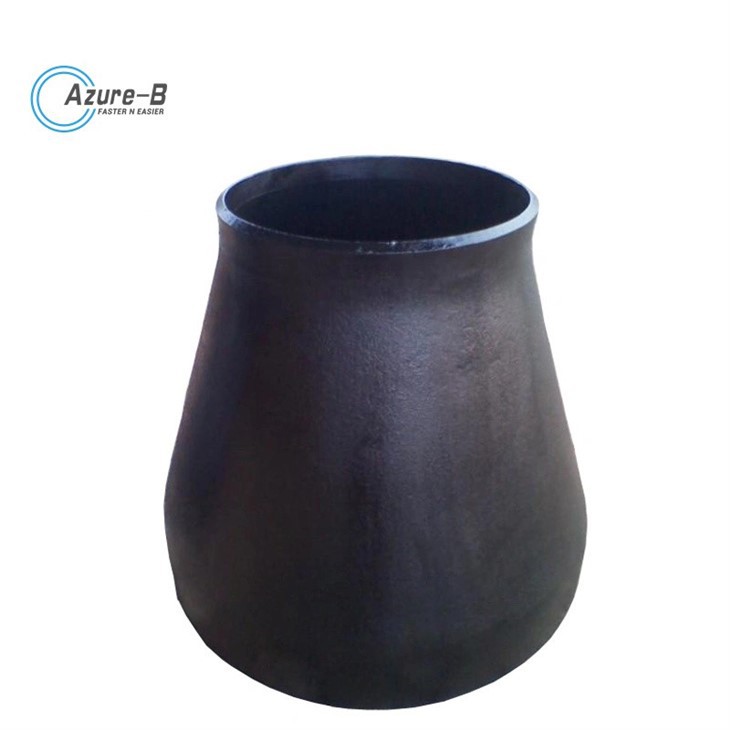
Buttweld pipe reducers are designed to connect two pipes of different diameters in a pipeline system. They play a crucial role in managing pipeline expansion and contraction by providing a smooth transition between pipes of different sizes. Here's how they contribute to the overall stability and performance of the pipeline:

1. Accommodating Thermal Expansion
One of the primary functions of buttweld pipe reducers is to accommodate thermal expansion and contraction. As the pipeline expands or contracts due to temperature changes, the reducer allows for the movement of the pipe without causing excessive stress on the joints or connections. The tapered design of the reducer provides a gradual transition between the two pipes, reducing the likelihood of leaks or failures.
For example, consider a pipeline system that operates in an environment with significant temperature variations. During hot weather, the pipeline may expand, causing the pipes to increase in length and diameter. The buttweld pipe reducer at the connection point allows for this expansion by stretching slightly, preventing the formation of cracks or leaks. Conversely, during cold weather, the pipeline contracts, and the reducer compresses, maintaining the integrity of the connection.
2. Balancing Pressure Differences
Buttweld pipe reducers also help balance pressure differences between pipes of different diameters. When the fluid flows from a larger pipe to a smaller pipe, the velocity of the fluid increases, resulting in a decrease in pressure. Conversely, when the fluid flows from a smaller pipe to a larger pipe, the velocity decreases, and the pressure increases.
The reducer's design helps to minimize these pressure differences by providing a smooth transition between the two pipes. This ensures that the fluid flow remains stable and efficient, reducing the risk of pressure-related issues such as cavitation or erosion.
3. Reducing Vibration and Noise
Pipeline systems often generate vibration and noise due to fluid flow, mechanical equipment, or external factors. Buttweld pipe reducers can help reduce these vibrations and noise levels by providing a more stable connection between pipes of different sizes. The tapered design of the reducer helps to dampen the vibrations, preventing them from propagating through the pipeline.
In addition, the smooth transition provided by the reducer reduces turbulence in the fluid flow, which can also contribute to noise reduction. By minimizing vibration and noise, buttweld pipe reducers improve the overall comfort and safety of the pipeline system.
4. Enhancing Structural Integrity
Buttweld pipe reducers are typically made from high-quality materials such as carbon steel, stainless steel, or alloy steel. These materials offer excellent strength, durability, and corrosion resistance, ensuring the long-term structural integrity of the pipeline. The seamless construction of the reducer eliminates the need for additional joints or connections, reducing the risk of leaks or failures.
Moreover, the precise manufacturing process of buttweld pipe reducers ensures a perfect fit between the two pipes, minimizing the stress concentration at the connection point. This enhances the overall strength and stability of the pipeline, making it more resistant to expansion and contraction forces.
Types of Buttweld Pipe Reducers
There are two main types of buttweld pipe reducers: concentric and eccentric. Each type has its unique features and applications, depending on the specific requirements of the pipeline system.
Concentric Reducers
High Quality Buttweld Concentric Reducer have a central axis that is aligned with the axes of the two pipes they connect. They are commonly used in applications where the fluid flow needs to be centered and balanced. Concentric reducers are ideal for applications where the pipeline is subject to high pressure or high flow rates, as they provide a smooth and efficient transition between pipes of different diameters.
Eccentric Reducers
Eccentric reducers have an offset centerline, which means that the axes of the two pipes they connect are not aligned. They are typically used in applications where the fluid flow needs to be diverted or where there is a need to maintain a specific level of fluid in the pipeline. Eccentric reducers are commonly used in systems with pumps, valves, or other equipment that require a specific flow direction.
Choosing the Right Buttweld Pipe Reducer
Selecting the appropriate buttweld pipe reducer for your pipeline system is crucial to ensure optimal performance and longevity. Here are some factors to consider when choosing a reducer:
1. Pipe Sizes
The first step in choosing a buttweld pipe reducer is to determine the sizes of the pipes you need to connect. The reducer should have the correct inlet and outlet diameters to ensure a proper fit. It's important to measure the pipes accurately to avoid any issues with installation or performance.
2. Material
The material of the buttweld pipe reducer should be compatible with the pipeline material and the fluid being transported. Common materials for reducers include carbon steel, stainless steel, and alloy steel. Each material has its own unique properties, such as corrosion resistance, strength, and temperature tolerance. Consider the operating conditions of your pipeline system when selecting the material.
3. Type of Reducer
As mentioned earlier, there are two main types of buttweld pipe reducers: concentric and eccentric. Choose the type that best suits your application based on factors such as fluid flow requirements, pressure differentials, and space limitations.
4. End Connections
Buttweld pipe reducers can have different end connections, such as butt weld, socket weld, or threaded. The end connection should be compatible with the pipeline's existing connections to ensure a secure and leak-free joint.
5. Standards and Specifications
Ensure that the buttweld pipe reducer meets the relevant industry standards and specifications. This includes standards such as ASTM, ASME, or API, which define the quality, dimensions, and performance requirements for the reducer.
Conclusion
In conclusion, buttweld pipe reducers play a vital role in managing pipeline expansion and contraction. They provide a smooth transition between pipes of different diameters, accommodating thermal expansion, balancing pressure differences, reducing vibration and noise, and enhancing the overall structural integrity of the pipeline. As a supplier of Pipe Reducers, I understand the importance of providing high-quality products that meet the specific needs of our customers.
If you are looking for reliable and efficient buttweld pipe reducers for your pipeline system, I invite you to contact us to discuss your requirements. Our team of experts can provide you with the guidance and support you need to select the right reducers for your application. We are committed to delivering top-notch products and exceptional customer service to ensure the success of your pipeline project.
References
- ASME B36.10M - Welded and Seamless Wrought Steel Pipe
- ASTM A234 - Standard Specification for Piping Fittings of Wrought Carbon Steel and Alloy Steel for Moderate and High-Temperature Service
- API 5L - Specification for Line Pipe