

What are the applications of Flange ANSI ASME B16.5?
Sep 15, 2025
Leave a message
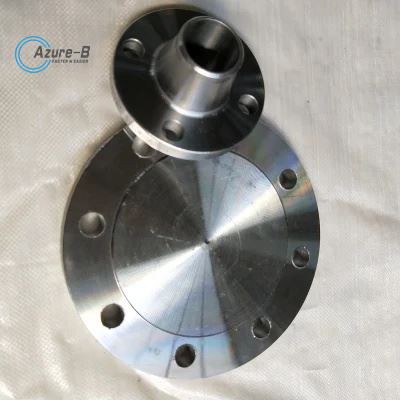
Flange ANSI ASME B16.5 is a standard that plays a crucial role in the piping industry. As a supplier of Flange ANSI ASME B16.5, I've witnessed firsthand the diverse and extensive applications of these flanges. In this blog, I'll delve into the various sectors where these flanges are commonly used and highlight their significance.
Oil and Gas Industry
The oil and gas industry is one of the primary consumers of Flange ANSI ASME B16.5. In upstream operations, such as oil and gas exploration and production, these flanges are used in wellhead equipment. They connect pipes, valves, and other components in the drilling and extraction processes. The high - pressure and high - temperature conditions in oil wells require flanges that can withstand extreme environments. Flange ANSI ASME B16.5 is designed to meet these demanding requirements, ensuring a reliable and leak - free connection.
For example, in offshore oil platforms, where the equipment is exposed to harsh marine conditions, the flanges need to be corrosion - resistant. Our Flange ANSI ASME B16.5 products are often made from materials like stainless steel or carbon steel, which can resist corrosion and maintain their structural integrity over time.
In downstream operations, such as refineries and petrochemical plants, Flange ANSI ASME B16.5 is used in the piping systems that transport various products, including crude oil, refined fuels, and petrochemicals. These flanges are crucial for maintaining the flow of these substances and ensuring the safety of the entire production process. The ASME B16.5 Flange standard provides clear specifications for the design, dimensions, and material requirements, which helps in ensuring the compatibility and reliability of the flanges in these complex systems.
Power Generation
Power generation plants, whether they are fossil - fuel power plants, nuclear power plants, or renewable energy power plants, rely on Flange ANSI ASME B16.5 for their piping systems. In fossil - fuel power plants, these flanges are used to connect boilers, turbines, and other components in the steam cycle. The high - pressure steam generated in the boilers needs to be transported through a network of pipes, and the flanges ensure a tight and secure connection.
In nuclear power plants, safety is of utmost importance. Flange ANSI ASME B16.5 flanges are used to connect the primary and secondary coolant systems. These flanges are manufactured to strict quality standards to prevent any leakage of radioactive materials. The ASME B16.5 Flange Dimensions standard ensures that the flanges fit precisely in the piping systems, reducing the risk of accidents.

Renewable energy power plants, such as solar thermal power plants and geothermal power plants, also use these flanges. In solar thermal power plants, the flanges are used in the heat transfer fluid piping systems. In geothermal power plants, they are used to connect the pipes that transport hot water or steam from the geothermal source to the power generation equipment.
Chemical Industry
The chemical industry deals with a wide range of corrosive and hazardous chemicals. Flange ANSI ASME B16.5 is used extensively in the piping systems that transport these chemicals. The flanges need to be made from materials that are resistant to the specific chemicals being transported. For example, in a chemical plant that produces hydrochloric acid, the flanges may be made from materials like Hastelloy or titanium, which can resist the corrosive effects of the acid.
These flanges are also used in the reactors and storage tanks in chemical plants. They ensure a secure connection between different parts of the equipment, preventing any leakage of chemicals. The ANSI ASME B16.5 standard provides guidelines for the proper installation and maintenance of these flanges, which is crucial for the safety of the workers and the environment.
Water Treatment and Distribution
In the water treatment and distribution industry, Flange ANSI ASME B16.5 is used in the piping systems that transport water from the source to the treatment plants and then to the consumers. In water treatment plants, these flanges are used to connect various treatment units, such as filters, pumps, and disinfection systems.
In the distribution network, the flanges are used to connect the main pipes and the service lines. They ensure a reliable and leak - free connection, which is essential for providing clean and safe water to the consumers. The flanges are often made from materials like ductile iron or cast iron, which are strong and durable.
Food and Beverage Industry
The food and beverage industry has strict hygiene requirements. Flange ANSI ASME B16.5 is used in the piping systems that transport food products, such as milk, juice, and beer. These flanges are made from materials that are safe for contact with food, such as stainless steel.
The smooth surface finish of the flanges helps in preventing the accumulation of food particles and bacteria, which is crucial for maintaining the quality and safety of the food products. The flanges are also designed to be easy to clean and sanitize, which is an important requirement in the food and beverage industry.
Advantages of Flange ANSI ASME B16.5
One of the main advantages of Flange ANSI ASME B16.5 is its standardization. The standard provides clear and consistent specifications for the design, dimensions, and material requirements of the flanges. This makes it easier for engineers and designers to select the appropriate flanges for their applications. It also ensures the compatibility of the flanges with other components in the piping system.
Another advantage is the wide range of materials available. Depending on the specific application requirements, such as corrosion resistance, high - temperature resistance, or pressure resistance, different materials can be used to manufacture the flanges. This allows for a customized solution for each application.
The reliability of Flange ANSI ASME B16.5 is also a significant advantage. These flanges are designed and tested to meet strict quality standards, which ensures their long - term performance. They can withstand the harsh conditions in various industries, reducing the risk of failures and downtime.
Special Considerations for Different Classes
The ANSI ASME B16.5 standard defines different classes of flanges, such as Class 150, Class 300, and ANSI B16.5 Class 2500 Flanges. Each class has different pressure - temperature ratings, which are important considerations when selecting the appropriate flange for an application.
For example, in high - pressure applications, such as in the oil and gas industry or power generation plants, Class 900 or Class 2500 flanges may be required. These flanges are designed to withstand higher pressures and temperatures compared to lower - class flanges. On the other hand, in low - pressure applications, such as in water treatment plants or food and beverage industry, Class 150 or Class 300 flanges may be sufficient.
Contact for Procurement
If you are in need of high - quality Flange ANSI ASME B16.5 for your project, we are here to assist you. Our team of experts can help you select the appropriate flanges based on your specific requirements, including the application, pressure, temperature, and chemical compatibility. We have a wide range of products in stock and can also provide customized solutions if needed. Contact us to start a procurement discussion and ensure the success of your project.
References
- American Society of Mechanical Engineers (ASME). ANSI/ASME B16.5 - 2017, Pipe Flanges and Flanged Fittings: NPS 1/2 through NPS 24 Metric/Inch Standard.
- Various industry reports and technical papers on piping systems and flange applications.