

How to store carbon steel bends properly?
Aug 21, 2025
Leave a message
Carbon steel bends are essential components in various industries, including oil and gas, construction, and manufacturing. As a carbon steel bend supplier, I understand the importance of proper storage to maintain the quality and integrity of these products. In this blog post, I will share some valuable insights on how to store carbon steel bends properly.
Understanding the Characteristics of Carbon Steel Bends
Before delving into storage methods, it's crucial to understand the characteristics of carbon steel bends. Carbon steel is an alloy of iron and carbon, with the carbon content typically ranging from 0.05% to 2.1%. This composition gives carbon steel its strength, durability, and versatility. However, carbon steel is also susceptible to corrosion, especially when exposed to moisture, oxygen, and certain chemicals.
Carbon steel bends are manufactured through various processes, such as Induction Pipe Bends, Hot Induction Pipe Bends, and High Quality Welded Pipe Bend. Each process may result in different surface finishes and properties, which can affect the storage requirements.
Choosing the Right Storage Location
The first step in proper storage is selecting the right location. The storage area should be dry, well-ventilated, and protected from direct sunlight and extreme weather conditions. Moisture is the primary enemy of carbon steel, as it can cause rust and corrosion. Therefore, it's essential to avoid storing carbon steel bends in areas prone to flooding, high humidity, or condensation.
A warehouse or storage shed is an ideal location for storing carbon steel bends. If possible, the storage area should be equipped with a dehumidifier to maintain a low humidity level. Additionally, the floor should be level and free of debris to prevent damage to the bends.
Preparing the Storage Area
Before storing the carbon steel bends, it's important to prepare the storage area. Start by cleaning the floor and removing any dirt, dust, or debris. This will prevent scratches and damage to the bends during storage. You can use a broom or a vacuum cleaner to clean the floor.
Next, consider using pallets or racks to store the bends. Pallets provide a stable base and help keep the bends off the floor, reducing the risk of moisture damage. Racks can be used to organize the bends and maximize storage space. Make sure the pallets and racks are in good condition and can support the weight of the bends.
Protecting the Surface of the Bends
To prevent corrosion and damage to the surface of the carbon steel bends, it's important to apply a protective coating. There are several types of protective coatings available, including paint, oil, and wax. The choice of coating depends on the specific requirements of the bends and the storage environment.
Paint is a common protective coating for carbon steel bends. It provides a durable barrier against moisture and oxygen, preventing rust and corrosion. However, paint may not be suitable for all applications, especially if the bends need to be welded or machined in the future.
Oil and wax are also effective protective coatings. They can be applied to the surface of the bends to create a thin film that prevents moisture from reaching the metal. Oil and wax are easy to apply and can be removed if necessary.
In addition to applying a protective coating, it's important to cover the bends with a protective material, such as plastic sheeting or tarpaulin. This will provide an extra layer of protection against dust, dirt, and moisture.
Stacking and Arranging the Bends
When stacking and arranging the carbon steel bends, it's important to follow some basic guidelines to prevent damage. First, make sure the bends are stacked in a stable and secure manner. Avoid stacking the bends too high, as this can increase the risk of toppling and damage.
Second, separate the bends with spacers or padding to prevent them from rubbing against each other. This will prevent scratches and damage to the surface of the bends. You can use wooden blocks, rubber pads, or cardboard spacers to separate the bends.

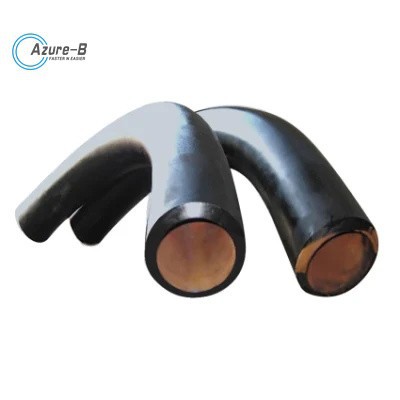
Third, arrange the bends in an organized manner to make it easy to access and retrieve them when needed. You can group the bends by size, shape, or application to make it easier to find the right bend.
Regular Inspection and Maintenance
Even with proper storage, it's important to regularly inspect and maintain the carbon steel bends. Inspect the bends for any signs of corrosion, damage, or deformation. If you notice any issues, take immediate action to address them.
You can use a visual inspection to check for signs of corrosion, such as rust or discoloration. You can also use a magnetic particle inspection or a ultrasonic testing to detect any internal defects or damage.
In addition to regular inspections, it's important to perform routine maintenance on the storage area. This includes cleaning the floor, checking the pallets and racks for damage, and replacing any damaged or worn-out protective coatings.
Conclusion
Proper storage of carbon steel bends is essential to maintain their quality and integrity. By choosing the right storage location, preparing the storage area, protecting the surface of the bends, stacking and arranging them properly, and performing regular inspection and maintenance, you can ensure that your carbon steel bends remain in good condition for a long time.
As a carbon steel bend supplier, I am committed to providing high-quality products and excellent customer service. If you have any questions or need further information about storing carbon steel bends, please don't hesitate to contact me. I would be happy to assist you with your procurement needs and provide you with the best solutions for your projects.
References
- ASME B31.3 Process Piping Code
- ASTM A234 Standard Specification for Piping Fittings of Wrought Carbon Steel and Alloy Steel for Moderate and High-Temperature Service
- NACE International Standards for Corrosion Control