

How to remove a Steel 90 Deg Elbow from a pipeline?
Dec 19, 2025
Leave a message
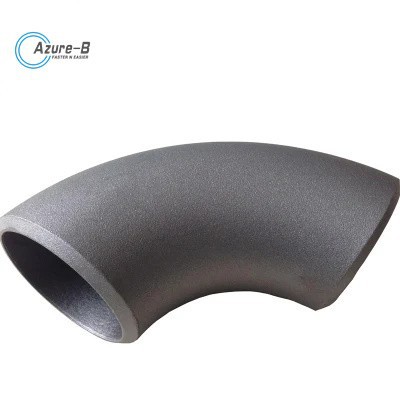
Hey there! As a supplier of Steel 90 Deg Elbow, I've got a fair bit of experience with these nifty little pipe components. Today, I'm gonna share with you how to remove a Steel 90 Deg Elbow from a pipeline. Whether you're a DIY enthusiast, a professional plumber, or just someone who's curious, this guide will walk you through the process step by step.
Why You Might Need to Remove a Steel 90 Deg Elbow
Before we jump into the how - to, let's talk about why you'd want to remove a Steel 90 Deg Elbow in the first place. Maybe it's damaged from corrosion, or perhaps you're doing some pipeline upgrades and need to change the layout. Sometimes, a misaligned elbow can cause flow problems in the pipeline, and removing it is the first step to fixing the issue. Whatever the reason, it's important to know the proper way to handle the removal.
Tools You'll Need
Removing a Steel 90 Deg Elbow isn't a job you can do with just your bare hands. Here are the tools you'll need to have in your arsenal:
- Pipe Wrench: This is a must - have. It's used to grip and turn the pipes. Make sure you have the right size for your pipeline.
- Cutting Tools: Depending on how the elbow is connected, you might need a hacksaw, a pipe cutter, or an angle grinder. If the elbow is welded, an angle grinder will be the most efficient way to cut through the welds.
- Safety Gear: Safety first, always! You'll need safety glasses to protect your eyes from flying debris, gloves to protect your hands from hot pipes and sharp edges, and a dust mask if you're using an angle grinder.
Step - by - Step Removal Process
Step 1: Shut Down the Pipeline
If the pipeline is carrying any kind of fluid or gas, the very first thing you need to do is shut it down. This prevents any leaks or spills during the removal process. Locate the main shut - off valve and turn it to the closed position. If it's a water pipeline, you might want to open a faucet downstream to relieve the pressure.
Step 2: Identify the Connection Type
Steel 90 Deg Elbows can be connected in different ways. The most common methods are threaded connections, welded connections, and flanged connections.
- Threaded Connections: Look for the tell - tale threads on the pipe and the elbow. These are relatively easy to remove. You just need to use a pipe wrench to turn the elbow counter - clockwise. Apply some penetrating oil to the threads before you start turning. This will make the job much easier and prevent the threads from getting damaged.
- Welded Connections: If the elbow is welded, things get a bit more complicated. You'll need to use an angle grinder with a cutting disc to cut through the welds. It's crucial to wear your safety gear during this step. Make sure to cut as close to the elbow as possible without damaging the main pipeline.
- Flanged Connections: Flanged elbows are connected using bolts. Use a wrench to loosen and remove the bolts. Once all the bolts are out, you can gently separate the elbow from the pipeline.
Step 3: Remove the Elbow
Once you've dealt with the connection, it's time to remove the elbow from the pipeline. If it's a threaded or flanged connection, you can simply pull the elbow away. If it was welded, you might need to use a little force to break it free after cutting through the welds.
Step 4: Inspect the Pipeline
After removing the elbow, take a good look at the pipeline. Check for any signs of damage, corrosion, or misalignment. If there are any issues, you'll need to address them before installing a new elbow. You can use a wire brush to clean the ends of the pipeline and remove any rust or debris.
Choosing a New Elbow
If you're removing the elbow because it's damaged or you're upgrading the pipeline, you'll need to choose a new one. As a Steel 90 Deg Elbow supplier, I can tell you that there are different types and standards to consider.
- ASME B16.28 Buttweld 90 Degree Elbow: This is a popular standard for buttweld elbows. ASME B16.28 Buttweld 90 Degree Elbow is known for its high - quality and durability. It's designed to meet specific industry requirements and is suitable for a wide range of applications.
- Buttweld Elbow: Buttweld Elbow is a general term for elbows that are welded to the pipeline. They come in different sizes and materials, and they're a great choice for pipelines where a strong and permanent connection is needed.
When choosing a new elbow, make sure to consider the size of the pipeline, the material, and the pressure and temperature requirements of your application.
Conclusion
Removing a Steel 90 Deg Elbow from a pipeline might seem like a daunting task, but with the right tools and knowledge, it's definitely doable. Just remember to follow the safety procedures, identify the connection type, and choose the right replacement elbow.
If you're in the market for a new Steel 90 Deg Elbow, feel free to reach out. We're here to help you find the perfect elbow for your pipeline needs. Whether you have questions about the product or need advice on installation, we're a phone call or an email away. Don't hesitate to contact us for more information and to discuss your procurement requirements.

References
- Pipeline and Pipefitting Handbook, several editions provide in - depth knowledge on pipe components and installation/removal processes.
- ASME B16.28 standard documentation for technical details on Buttweld 90 Degree Elbows.