

Can induction pipe bends be used in high - pressure systems?
Jul 30, 2025
Leave a message
Can induction pipe bends be used in high - pressure systems?
As a trusted supplier of Induction Pipe Bends, I often encounter inquiries from clients regarding the suitability of our products for high - pressure systems. This is a crucial question, as the performance and safety of a piping system in high - pressure environments depend significantly on the quality and characteristics of its components, including pipe bends. In this blog, I will delve into the technical aspects to provide a comprehensive answer.
Understanding Induction Pipe Bends
Induction pipe bending is a specialized process that involves heating a narrow strip of the pipe using an induction coil while applying a bending force. This method allows for precise control over the bending process, resulting in high - quality bends with excellent dimensional accuracy and smooth inner surfaces. The induction heating ensures that the material properties of the pipe are maintained, minimizing the risk of defects such as cracks, thinning, or distortion.
The process offers several advantages. Firstly, it can produce bends with various radii, including long - radius bends which are often preferred in high - pressure applications. Long - radius bends reduce the flow resistance and turbulence within the pipe, which is beneficial for maintaining stable flow conditions and reducing the pressure drop. Secondly, the bending process can be customized according to the specific requirements of the project, ensuring that the bends fit seamlessly into the overall piping system.
High - Pressure System Requirements
High - pressure systems are those where the fluid or gas within the pipes is under significant pressure, typically above a certain threshold (which can vary depending on the industry and application). These systems are commonly found in industries such as oil and gas, chemical processing, power generation, and hydraulic systems.
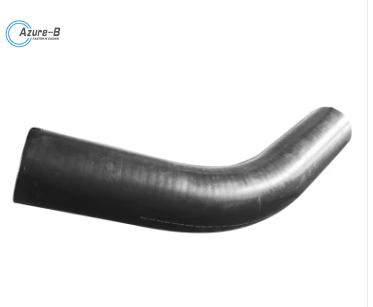

In high - pressure systems, the pipes and their components must be able to withstand the internal pressure without failure. This requires materials with high strength and good ductility. Additionally, the components should have a smooth inner surface to minimize friction and erosion, as well as a uniform wall thickness to prevent stress concentrations. Any weakness or defect in the pipe bend can lead to leaks, bursts, or other safety hazards, which can have serious consequences for the operation of the system and the safety of personnel.
Can Induction Pipe Bends Meet High - Pressure Requirements?
The answer is yes, induction pipe bends can be used in high - pressure systems, and here's why:
Material Compatibility: Induction pipe bends can be made from a wide range of materials, including carbon steel, stainless steel, alloy steel, and other high - strength materials. These materials have the necessary mechanical properties to withstand high pressures. For example, carbon steel is known for its high strength and good weldability, making it a popular choice for high - pressure applications. Stainless steel, on the other hand, offers excellent corrosion resistance, which is crucial in environments where the fluid or gas may be corrosive.
Dimensional Accuracy: As mentioned earlier, the induction bending process allows for precise control over the dimensions of the bends. This ensures that the bends have a uniform wall thickness and the correct radius, which are essential for distributing the pressure evenly across the bend. A well - made induction pipe bend will have minimal variations in wall thickness, reducing the risk of stress concentrations that could lead to failure under high pressure.
Smooth Inner Surface: The induction bending process results in a smooth inner surface of the pipe bend. This smooth surface reduces the friction between the fluid or gas and the pipe wall, which helps to maintain a stable flow and reduces the pressure drop. Additionally, a smooth surface is less likely to cause erosion or corrosion, which can weaken the pipe over time.
Quality Control: Reputable suppliers of induction pipe bends, like us, implement strict quality control measures throughout the manufacturing process. This includes material testing, non - destructive testing (such as ultrasonic testing, radiographic testing, etc.), and dimensional inspections. By ensuring that each bend meets the required standards, we can guarantee the reliability and performance of our products in high - pressure systems.
Examples of Induction Pipe Bends in High - Pressure Applications
In the oil and gas industry, induction pipe bends are widely used in high - pressure pipelines for transporting crude oil, natural gas, and refined products. These pipelines often operate at high pressures to ensure efficient transportation over long distances. The long - radius bends produced by induction bending help to reduce the pressure drop and maintain the flow rate, while the high - strength materials ensure the integrity of the pipeline.
In power generation plants, high - pressure steam pipes require pipe bends that can withstand the high temperatures and pressures associated with steam. Induction pipe bends made from heat - resistant alloys are used in these applications to ensure reliable operation and prevent failures.
Comparing with Other Types of Pipe Bends
When considering pipe bends for high - pressure systems, it's important to compare induction pipe bends with other types, such as welded pipe bends and 5D bends.
High Quality Welded Pipe Bend are another common option. However, welded bends may have some limitations in high - pressure applications. The welding process can introduce residual stresses and potential defects in the weld area, which may reduce the overall strength of the bend. Additionally, the weld seam may be more susceptible to corrosion and erosion. In contrast, induction pipe bends do not have a weld seam, eliminating these potential issues.
5D Bend refer to bends with a bending radius of five times the pipe diameter. While 5D bends can offer some advantages in terms of flow characteristics, induction pipe bends can be customized to have different radii, including 5D or other specific requirements. Moreover, the induction bending process can ensure better dimensional accuracy and material integrity compared to some traditional methods of making 5D bends.
Conclusion
In conclusion, induction pipe bends are a suitable choice for high - pressure systems. Their material compatibility, dimensional accuracy, smooth inner surface, and strict quality control make them capable of withstanding the high pressures and harsh conditions found in industries such as oil and gas, power generation, and chemical processing.
If you are looking for reliable Induction Pipe Bends for your high - pressure projects, we are here to help. Our team of experts can provide you with customized solutions based on your specific requirements. Whether you need a small - scale installation or a large - scale industrial project, we have the experience and capabilities to deliver high - quality products. Contact us today to start a discussion about your piping needs and explore how our induction pipe bends can enhance the performance and safety of your high - pressure systems.
References
- ASME B31.3 - Process Piping Code
- API 5L - Specification for Line Pipe
- ASTM Standards for Steel Pipes and Pipe Fittings