

What are the standards for the bore diameter of Flange ANSI ASME B16.5?
Dec 11, 2025
Leave a message
As a seasoned supplier of Flange ANSI ASME B16.5, I often receive inquiries regarding the standards for the bore diameter of these flanges. The bore diameter is a critical dimension that directly impacts the functionality and compatibility of the flange within a piping system. In this blog post, I will delve into the key standards governing the bore diameter of Flange ANSI ASME B16.5, providing valuable insights for both industry professionals and those new to the world of flanges.
Understanding Flange ANSI ASME B16.5
Before we explore the bore diameter standards, it's essential to have a basic understanding of Flange ANSI ASME B16.5. This standard, developed by the American National Standards Institute (ANSI) and the American Society of Mechanical Engineers (ASME), covers pipe flanges and flanged fittings in sizes NPS 1/2 through NPS 24 for pressure-temperature ratings from Class 150 to Class 2500. These flanges are widely used in various industries, including oil and gas, chemical processing, and power generation, due to their reliability and compatibility with different piping systems.
Importance of Bore Diameter
The bore diameter of a flange refers to the internal diameter of the flange's opening, which allows the passage of fluid or gas through the piping system. It plays a crucial role in determining the flow capacity, pressure drop, and overall performance of the system. A properly sized bore diameter ensures efficient fluid flow, minimizes turbulence, and reduces the risk of blockages or leaks. Additionally, the bore diameter must be compatible with the inner diameter of the connected pipes to ensure a proper fit and seal.
Standards for Bore Diameter
The standards for the bore diameter of Flange ANSI ASME B16.5 are specified in the standard itself. These standards provide clear guidelines on the acceptable range of bore diameters for different flange sizes and pressure classes. The bore diameter is typically measured at the center of the flange's opening and is expressed in inches or millimeters.
Nominal Bore Size
The nominal bore size (NPS) is a standard designation used to identify the approximate inner diameter of a pipe or flange. In the case of Flange ANSI ASME B16.5, the nominal bore size ranges from NPS 1/2 to NPS 24. The actual bore diameter may vary slightly from the nominal bore size, depending on the flange's pressure class and manufacturing tolerances.
Pressure Class and Bore Diameter
The pressure class of a flange also influences the bore diameter. Flanges with higher pressure classes generally have smaller bore diameters to withstand the increased pressure. For example, a Flange ASME B16.5 Class 150 may have a larger bore diameter compared to a Flange ASME B16.5 Class 600 of the same nominal size. This is because the higher pressure class requires a thicker flange wall to maintain its integrity under pressure, which reduces the available space for the bore.
Tolerances
Manufacturing tolerances are another important factor to consider when determining the bore diameter of a flange. These tolerances allow for slight variations in the actual bore diameter from the specified standard. The tolerances for bore diameter are typically specified in the ANSI ASME B16.5 standard and may vary depending on the flange size and pressure class. It's important to ensure that the manufactured flanges meet these tolerances to ensure proper fit and performance.
Measuring Bore Diameter
Accurately measuring the bore diameter of a flange is crucial to ensure compliance with the standards. There are several methods available for measuring the bore diameter, including:
Caliper Measurement
A caliper is a common tool used to measure the bore diameter of a flange. It consists of two jaws that can be adjusted to fit the inside of the flange's opening. The caliper is then used to measure the distance between the two jaws, providing an accurate measurement of the bore diameter.
Micrometer Measurement
A micrometer is a more precise measuring tool that can provide highly accurate measurements of the bore diameter. It works by using a spindle and anvil to measure the distance between two points. Micrometers are typically used for measuring small bore diameters or when a high level of accuracy is required.
Optical Measurement
Optical measurement techniques, such as laser scanning or coordinate measuring machines (CMMs), can also be used to measure the bore diameter of a flange. These methods provide highly accurate and detailed measurements, but they are typically more expensive and require specialized equipment and expertise.
Compatibility with Pipes
In addition to meeting the standards for bore diameter, it's important to ensure that the flange is compatible with the connected pipes. The bore diameter of the flange should match the inner diameter of the pipes to ensure a proper fit and seal. This helps to prevent leaks and ensure efficient fluid flow through the system.
When selecting a flange, it's important to consider the pipe material, wall thickness, and end preparation. Different pipe materials may have different expansion and contraction rates, which can affect the fit between the flange and the pipe. Additionally, the wall thickness of the pipe can impact the bore diameter of the flange, as a thicker wall may require a larger bore diameter to ensure proper flow.
Quality Assurance
As a supplier of Flange ANSI ASME B16.5, quality assurance is of utmost importance. We adhere to strict quality control measures to ensure that our flanges meet or exceed the standards for bore diameter and other critical dimensions. Our manufacturing processes are carefully monitored and inspected at every stage to ensure consistency and accuracy.
We also conduct regular testing and verification to ensure that our flanges meet the required performance criteria. This includes pressure testing, dimensional inspection, and material analysis. By maintaining high standards of quality, we can provide our customers with reliable and durable flanges that meet their specific requirements.
Conclusion
The bore diameter of Flange ANSI ASME B16.5 is a critical dimension that must be carefully considered to ensure the proper functioning and compatibility of the flange within a piping system. By understanding the standards for bore diameter, measuring techniques, and compatibility requirements, you can make informed decisions when selecting and installing flanges.
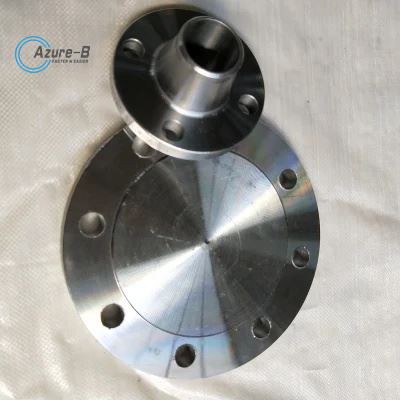
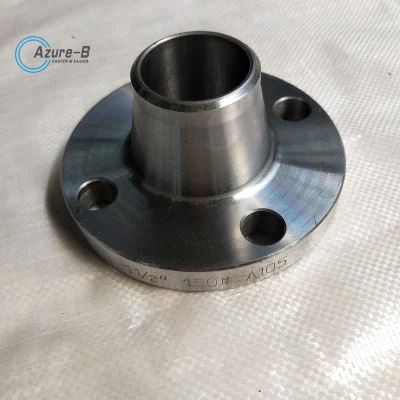
As a trusted supplier of ASME B16.5 Flange, we are committed to providing high-quality products that meet the needs of our customers. If you have any questions or require further information about our flanges or the standards for bore diameter, please don't hesitate to contact us. We look forward to discussing your specific requirements and assisting you with your procurement needs.
References
- ANSI ASME B16.5 - Pipe Flanges and Flanged Fittings
- Piping Handbook, 8th Edition