

How to select the right flange material for a specific fluid in ASME B16.5?
Jul 04, 2025
Leave a message
Selecting the right flange material for a specific fluid in accordance with ASME B16.5 is a critical decision that can significantly impact the performance, safety, and longevity of a piping system. As a trusted ASME B16.5 flange supplier, I understand the complexities involved in this process and am here to guide you through the key considerations.
Understanding ASME B16.5
ASME B16.5 is a standard developed by the American Society of Mechanical Engineers (ASME) that covers pipe flanges and flanged fittings in sizes NPS 1/2 through NPS 24 for pressure classes 150 through 2500. This standard provides detailed specifications for dimensions, materials, tolerances, and marking requirements, ensuring compatibility and interchangeability of flanges in various applications.
Factors to Consider When Selecting Flange Material
When choosing a flange material for a specific fluid, several factors must be taken into account:
1. Fluid Properties
- Chemical Composition: The chemical composition of the fluid determines its corrosiveness. For example, fluids containing acids, alkalis, or salts can cause corrosion of certain metals. In such cases, corrosion-resistant materials like stainless steel or nickel alloys may be required.
- Temperature and Pressure: The operating temperature and pressure of the fluid affect the mechanical properties of the flange material. High temperatures can reduce the strength of some materials, while high pressures require materials with sufficient toughness and ductility.
- Viscosity and Flow Rate: The viscosity and flow rate of the fluid influence the wear and erosion resistance of the flange material. Fluids with high viscosity or high flow rates can cause erosion of the flange surface, necessitating the use of wear-resistant materials.
2. Environmental Conditions
- Atmospheric Conditions: The atmospheric conditions in which the piping system operates can also affect the flange material. For example, exposure to moisture, humidity, or salt spray can cause corrosion of unprotected metals. In coastal areas or industrial environments, corrosion-resistant coatings or materials may be necessary.
- Soil Conditions: If the piping system is buried underground, the soil conditions can impact the flange material. Soils with high acidity, alkalinity, or moisture content can cause corrosion of the flange. In such cases, cathodic protection or corrosion-resistant coatings may be required.
3. Regulatory Requirements
- Industry Standards and Codes: Various industry standards and codes specify the requirements for flange materials in different applications. For example, the oil and gas industry has strict regulations regarding the use of materials in pipelines to ensure safety and environmental protection.
- Safety and Health Regulations: Safety and health regulations may also dictate the use of certain flange materials to prevent exposure to hazardous substances. For example, in food and beverage processing plants, materials that are non-toxic and compliant with food safety regulations must be used.
Common Flange Materials and Their Applications
Here are some common flange materials used in ASME B16.5 applications and their typical applications:
1. Carbon Steel
Carbon steel is a widely used flange material due to its low cost, high strength, and good weldability. It is suitable for applications where the fluid is non-corrosive and the operating temperature and pressure are relatively low. Carbon Steel ASME B16.5 Flange are commonly used in general industrial applications, such as water supply, HVAC systems, and power generation.
2. Stainless Steel
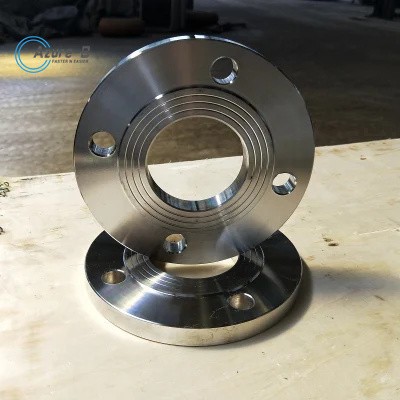
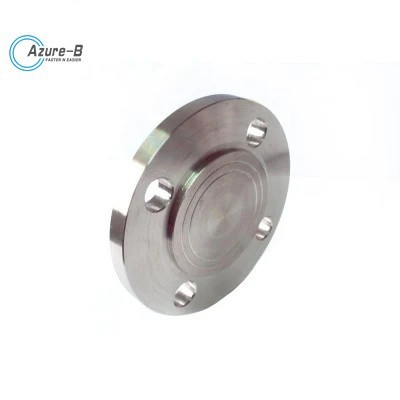
Stainless steel is a corrosion-resistant material that contains chromium, nickel, and other alloying elements. It is suitable for applications where the fluid is corrosive, such as chemical processing, food and beverage processing, and marine environments. Stainless steel flanges offer excellent resistance to oxidation, pitting, and crevice corrosion. Flanges As Per ASME B16.5 made of stainless steel are available in various grades, such as 304, 316, and 316L, to meet different corrosion requirements.
3. Alloy Steel
Alloy steel is a type of steel that contains one or more alloying elements, such as manganese, silicon, chromium, or nickel, to improve its mechanical properties. Alloy steel flanges are suitable for applications where high strength and toughness are required, such as oil and gas pipelines, power plants, and heavy machinery. They can withstand high temperatures and pressures and offer good resistance to wear and erosion.
4. Nickel Alloys
Nickel alloys are highly corrosion-resistant materials that contain nickel as the main alloying element. They are suitable for applications where the fluid is highly corrosive or contains aggressive chemicals, such as in the chemical, petrochemical, and pharmaceutical industries. Nickel alloy flanges offer excellent resistance to corrosion, oxidation, and high-temperature environments.
Selecting the Right Flange Material: A Step-by-Step Guide
To select the right flange material for a specific fluid in ASME B16.5 applications, follow these steps:
1. Identify the Fluid Properties
Determine the chemical composition, temperature, pressure, viscosity, and flow rate of the fluid. Consult the fluid's material safety data sheet (MSDS) or other technical documentation for detailed information.
2. Evaluate the Environmental Conditions
Consider the atmospheric conditions, soil conditions, and any other environmental factors that may affect the flange material. Determine if corrosion-resistant coatings or materials are required.
3. Review the Regulatory Requirements
Check the relevant industry standards, codes, and regulations for the application. Ensure that the selected flange material complies with all applicable requirements.
4. Consider the Cost and Availability
Compare the cost and availability of different flange materials. Consider the long-term cost of ownership, including maintenance, repair, and replacement costs.
5. Consult with an Expert
If you are unsure about the appropriate flange material for your application, consult with an experienced engineer or a flange supplier. They can provide valuable advice based on their knowledge and experience.
Conclusion
Selecting the right flange material for a specific fluid in ASME B16.5 applications is a crucial decision that requires careful consideration of various factors. By understanding the fluid properties, environmental conditions, regulatory requirements, and cost and availability of different materials, you can make an informed decision that ensures the performance, safety, and longevity of your piping system.
As a leading Flange ANSI ASME B16.5 supplier, we offer a wide range of high-quality flange materials to meet your specific requirements. Our team of experts is available to assist you in selecting the right flange material for your application and providing you with the best possible solution. If you have any questions or need further information, please do not hesitate to contact us. We look forward to working with you on your next project.
References
- ASME B16.5 - Pipe Flanges and Flanged Fittings
- Corrosion Resistance of Metals and Alloys - ASTM International
- Materials Selection for Piping Systems - API Recommended Practice 5L
Contact us today to discuss your flange requirements and get a quote. Our experienced team is ready to assist you in finding the perfect solution for your project.