

How to optimize the design of buttweld pipe reducers for specific applications?
Jun 13, 2025
Leave a message
Optimizing the design of buttweld pipe reducers for specific applications is a complex yet crucial task in the realm of pipeline engineering. As a seasoned supplier of Buttweld Pipe Reducers, I've witnessed firsthand the diverse requirements that different industries place on these essential components. In this blog, I'll share insights on how to tailor the design of buttweld pipe reducers to meet specific application needs.
Understanding the Basics of Buttweld Pipe Reducers
Before delving into optimization, it's important to have a solid understanding of what buttweld pipe reducers are. These are fittings used to connect pipes of different diameters in a pipeline system. They come in two main types: concentric and eccentric reducers. Concentric reducers have a central axis that aligns with both the larger and smaller pipes, while eccentric reducers have an offset centerline, which is useful in applications where air or solids need to be removed from the bottom of the pipe.
The choice between concentric and eccentric reducers depends on the specific requirements of the application. For example, in a liquid - filled pipeline where smooth flow is the primary concern, a High Quality Buttweld Concentric Reducer is often the best choice. On the other hand, in applications such as wastewater treatment or pneumatic conveying systems, an eccentric reducer may be more appropriate.
Factors Affecting the Design of Buttweld Pipe Reducers
Flow Characteristics
One of the most critical factors in designing buttweld pipe reducers is the flow characteristics of the fluid or gas passing through the pipeline. The sudden change in pipe diameter can cause turbulence, pressure drops, and energy losses. To optimize the design, we need to minimize these negative effects.
The shape and angle of the reducer play a significant role in flow performance. A well - designed reducer should have a gradual transition from the larger to the smaller diameter. For example, a reducer with a longer taper length will generally result in a smoother flow compared to one with a short, abrupt transition. Computational Fluid Dynamics (CFD) simulations can be used to analyze the flow patterns within the reducer and make adjustments to the design accordingly.
Material Selection
The choice of material for buttweld pipe reducers is also crucial. Different applications require different material properties. For example, in a corrosive environment, materials such as stainless steel or duplex stainless steel are preferred due to their excellent corrosion resistance. In high - temperature applications, materials like alloy steel with high - temperature strength and creep resistance are more suitable.
When selecting the material, we also need to consider factors such as cost, availability, and ease of fabrication. As a supplier, we have a wide range of materials available for Pipe Reducers, and we can work closely with our customers to choose the most appropriate material for their specific applications.
Pressure and Temperature Ratings
The pressure and temperature conditions in the pipeline are important considerations in the design of buttweld pipe reducers. The reducer must be able to withstand the maximum pressure and temperature that the pipeline system will experience.
Design calculations are performed to determine the wall thickness of the reducer based on the pressure and temperature ratings. These calculations take into account factors such as the material's yield strength, allowable stress, and safety factors. In addition, the joints between the reducer and the pipes must be designed to ensure a leak - free connection under the given pressure and temperature conditions.
Optimization Strategies for Specific Applications
Oil and Gas Industry
In the oil and gas industry, buttweld pipe reducers are used in various applications, including offshore platforms, refineries, and pipelines. The flow in these systems often involves high - pressure, high - temperature fluids, and the presence of corrosive substances.
To optimize the design for this industry, we focus on using high - strength, corrosion - resistant materials such as alloy steel and duplex stainless steel. The reducers are designed with a smooth internal surface to minimize friction and pressure drops. In addition, the design takes into account the seismic and dynamic loads that the pipeline may experience in offshore or on - shore installations.
Chemical Processing Industry
The chemical processing industry deals with a wide variety of chemicals, many of which are highly corrosive or reactive. Therefore, material selection is of utmost importance in this industry. We often recommend using materials such as titanium, zirconium, or special alloys for buttweld pipe reducers in chemical processing applications.
The design also needs to consider the potential for chemical reactions and the need for easy cleaning and maintenance. For example, reducers with a straight - through design are preferred in some chemical processes to prevent the accumulation of chemicals and reduce the risk of blockages.
Water and Wastewater Treatment
In water and wastewater treatment plants, buttweld pipe reducers are used to connect pipes of different sizes in the distribution and collection systems. The flow in these systems is generally at lower pressures and temperatures, but the presence of solids and debris can cause problems.

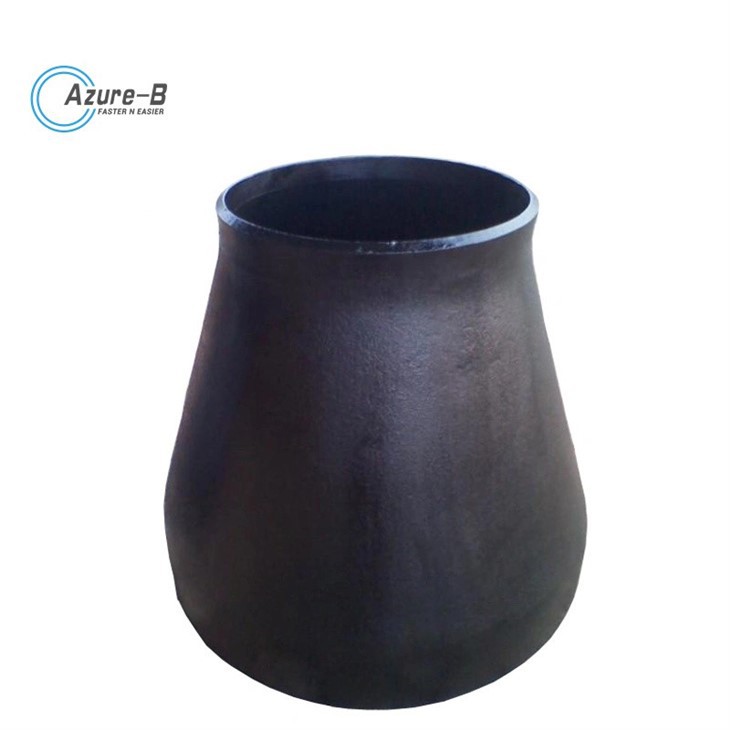
Eccentric reducers are often used in wastewater treatment applications to prevent the accumulation of solids at the bottom of the pipe. The design is optimized for easy installation and maintenance, with smooth transitions to minimize the risk of clogging. The materials used are typically ductile iron or PVC, which are cost - effective and have good corrosion resistance in water - based environments.
Quality Control and Testing
To ensure that the optimized buttweld pipe reducers meet the specific requirements of the applications, rigorous quality control and testing procedures are implemented. Non - destructive testing methods such as ultrasonic testing, magnetic particle testing, and radiographic testing are used to detect any internal or surface defects in the reducers.
Pressure testing is also carried out to verify that the reducers can withstand the specified pressure ratings. In addition, the dimensions and tolerances of the reducers are carefully checked to ensure a proper fit in the pipeline system.
Conclusion
Optimizing the design of buttweld pipe reducers for specific applications is a multi - faceted process that involves understanding the flow characteristics, material selection, pressure and temperature ratings, and specific requirements of different industries. As a supplier of Buttweld Pipe Reducers, we are committed to working closely with our customers to provide customized solutions that meet their unique needs.
If you are in need of high - quality buttweld pipe reducers for your specific application, please feel free to contact us. We have a team of experienced engineers and technicians who can assist you in selecting the right design and material for your project. Our goal is to provide you with reliable, cost - effective solutions that ensure the smooth operation of your pipeline system.
References
- Pipe Fittings Handbook, Second Edition, by Bela Liptak
- ASME B16.9 - Factory - Made Wrought Buttwelding Fittings
- API 6D - Specification for Pipeline Valves